Pankaj Udhas
Manifest Desires
Billionaire Brain Wave

The Divine Praye

The Genius Wave

Wealth DNA Code

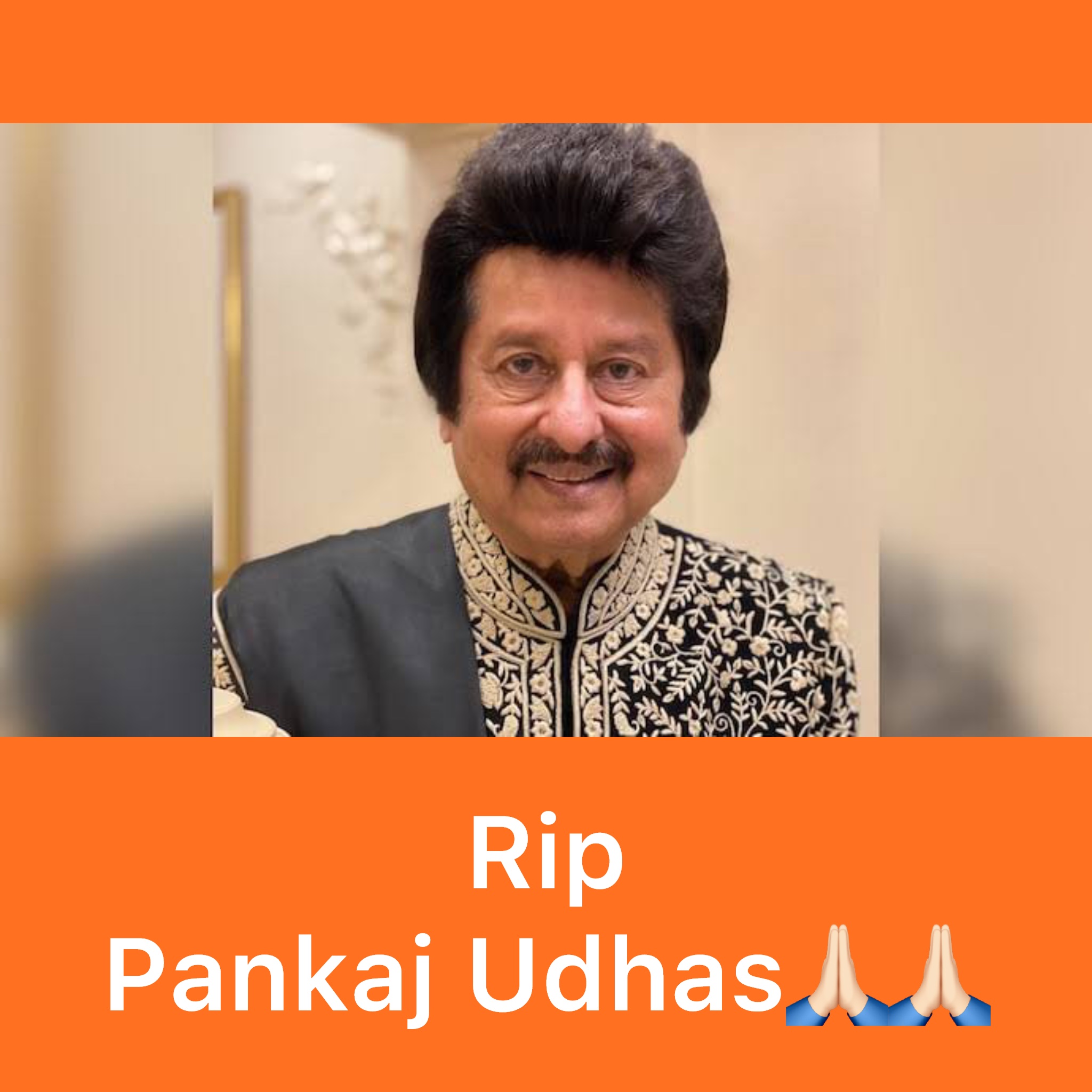
Pankaj Udhas
Pankaj Udhas paise, the soulful voice that soothed broken hearts, also passed away after a long illness in Mumbai on February 26, 72. In 1980 when the ‘angry young man’ had sucked the music out of our lives, Udhah, followed in his footsteps, Mehdi Hasan and Jagjit Singh, who popularized ghazal among the youth. Moving away from the classical format, he embraced Urdu romanticized Persians to express their pain in simple verses like Deewaron Se Milkar Rona Achcha Lagna Hai and changed choral composition complained to create another youthful riff that could advertise Mohe Aai Na Jagam Se Laaj Main Itna Zor Se Nachi Aaj Ki Ghungroo Toot went away.
A neatly dressed up with harmonious hair, not out of proportion, with Mike always playing softly, Aur ahista kijiye baatein dhadkain koi sun raha hoga, picture in most of the grown up during Chitrahar left the songs memory videos and middle class ghazals -Open to the idea of attending concerts. Also read | Interview with Ghazal Maestro Pankaj Udhas on Symphony of Evergreen Tunes But Pankaj Udhas immortalized the song Chitti Aay Hai for Mahesh Bhatt’s name. Released in 1986, the Laxmikant-Pyarelal composition emerged as an anthem for immigrants and colonists. The song picturized by Pankaj Udhas was addressed to the Indian diaspora in the film but there is so much passion in Udhas voice that Anand Bakshi’s words showed each immigrant’s longing for their home Letters allowed for email, Skype and zoom calls It caused a lump in my throat as I raised my voice to plead with Panchhi Pinjra Tod Ke Aaja, Desh Paraya Chhod Ke Aaja.
Purab Na Jaiyo Paschim Na Jaiyo (Jawab, 1985), a song that already struck a chord with youngsters, made him a household name. This was followed by Ek Hi Maksad (1988), where he composed music and rendered the famous number Chandi Jaisa Rang Hai Tera. In the same year, she sang the hit song Aaj Phir Tumpe Pyaar Aaya Hai for Feroz Khan’s Dayawan with Anuradha Paudwal. Another unforgettable heart comedy that always evoked pain was Jeeye To Jeeyen Kaise which he rendered for Nadeem Shravan in Sajan (1991). His voice could also use the charm of a connoisseur as well as a truck driver. We all walked for miles listening to a bus driver playing Naa Kajre Ki Dhar (Mohra, 1994) on his flimsy cassette player.
Pankaj Udhas belonged to a householder family in Charkhadi, Rajkot, and his father, a government servant who loved to play rabab Udhas started as a tabla player but soon shifted to classical music under the guidance of Ustad Ghulam Qadir Khan and he taught her music. When the family moved to Mumbai, Pankaj Udhas studied under Navaranga Nagpurkar, the director of Bhendi Bazaar Ghar, who also taught Asha Bhosle. His elder brothers Manhar and Nirmal were already famous artists. It was Manhar who brought Udhas to the music scene. After initial setbacks, Udhas turned to non-film ghazals where he found instant success on albums like Ahat, Mukarrar, Tarnnum and Mehfil.
Many of his most famous ghazals revolved around the scale (flagon) and makada (tavern). Ghazals like Ek Taraf Uska Ghar, Ek Taraf Makda, Sharab Cheez Hi Aisi Hai became staples in his concerts but he also faced criticism for normalizing the consumption of alcohol Udhas believed that these were metaphors for heaven drinking alcohol in Sufi poetry but the controversy did not always persist as he Ganga Jamuna Saraswati and Kishore Kumar (1988) sang Ek Ek Ho Jaaye Phir Ghar Chale Jaana Even music companies pandered to this image by releasing his albums names Nasha, Skaale and Madhosh. With her deep emotional ties to colonialism, Padmashree was always in high demand for concerts abroad, performing at the Royal Albert Hall in London and Madison Square in New York even when Hindi cinema moved away from the ghazal.
Manifest Desires-Click Here
Manifest Abundance


